Understanding the HVAC maintenance cost is essential for homeowners and businesses alike. Regular upkeep of heating, ventilation, and air conditioning systems not only extends their lifespan but also significantly impacts overall expenses. With various factors influencing these costs, such as system type, age, and local climate, navigating the world of HVAC maintenance can seem daunting. However, with the right insights, you can make informed decisions that protect your investment and promote efficiency.
This guide explores the intricate details of HVAC maintenance costs, emphasizing the importance of regular maintenance, the comparison between DIY efforts and professional services, and the long-term financial benefits that come with a proactive approach. Whether you’re a seasoned homeowner or just starting out, understanding these key elements will help you manage your HVAC expenses effectively.
Understanding the Factors That Influence HVAC Maintenance Cost

The cost of HVAC maintenance is influenced by various factors that can change based on the specifics of individual systems, their usage, and additional circumstances surrounding their operation. Understanding these factors can help homeowners and business owners better budget for maintenance and avoid unexpected expenses down the line.Several primary factors contribute to the overall cost of HVAC maintenance. These include the complexity of the system, frequency of required maintenance, geographic location, and the current energy costs.
Each of these elements plays a significant role in determining how much a property owner might spend on keeping their HVAC system in top condition.
Type of HVAC System
The type of HVAC system installed greatly impacts maintenance costs. Different systems have varying levels of complexity, components, and maintenance requirements. For example, a central air conditioning system may require regular refrigerant checks and duct cleaning, while a ductless mini-split system typically needs less frequent servicing.The following points highlight how different systems influence maintenance expenses:
- Central Air Conditioning: Typically has higher maintenance costs due to the need for duct cleaning and potential issues with refrigerant levels.
- Heat Pumps: Often require seasonal maintenance to check refrigerant levels and ensure efficient operation, impacting costs accordingly.
- Ductless Systems: Generally lower maintenance expenses because they have fewer components and require less frequent servicing.
- Furnaces: Maintenance costs can vary widely depending on fuel type (gas, oil, or electric) and age, with older models typically requiring more frequent repairs.
- Boilers: Require regular checks for pressure and efficiency, which can add to overall maintenance costs.
System Age and Maintenance Pricing
The age of an HVAC system is a crucial factor in determining maintenance pricing. As systems age, they tend to require more frequent repairs and maintenance, which can lead to increased costs.Older systems often present the following challenges:
- Increased Repair Frequency: Older units may have worn components that need regular replacement, leading to higher maintenance costs.
- Energy Inefficiency: Aging systems often work harder to maintain desired temperatures, resulting in higher energy bills and potential maintenance costs.
- Parts Availability: Older models may have limited availability of replacement parts, which can increase repair costs when something breaks down.
- Outdated Technology: Older systems usually lack the energy-efficient technologies found in newer models, leading to higher operational and maintenance costs over time.
Understanding the interplay between system type, age, and maintenance costs can help property owners make informed decisions about HVAC upkeep, budgeting, and potential upgrades. In summary, being mindful of these factors can lead to a more efficient HVAC system and lower overall maintenance expenses.
The Importance of Regular HVAC Maintenance for Cost Management
Regular HVAC maintenance is crucial for ensuring the efficiency and longevity of your heating, ventilation, and air conditioning systems. By investing in routine check-ups and servicing, homeowners and businesses can manage their HVAC costs more effectively. This proactive approach not only enhances system performance but also plays a significant role in reducing long-term costs associated with energy consumption and repairs.Preventive maintenance is a key strategy in minimizing the likelihood of costly repairs down the line.
When HVAC systems are regularly inspected and maintained by qualified technicians, potential issues can be identified and addressed early on, before they escalate into major problems. This practice directly impacts the overall cost management of HVAC systems, as it reduces the frequency and severity of unexpected breakdowns.
Benefits of Preventive Maintenance
Establishing a consistent maintenance schedule yields numerous financial benefits that can lead to significant savings over time. Here are some of the key benefits:
- Increased Energy Efficiency: Regular maintenance ensures that HVAC systems operate at peak efficiency. For instance, a well-maintained air conditioner can operate up to 15% more efficiently, translating to lower utility bills. This can result in annual savings of around $100 or more, depending on energy rates and usage patterns.
- Extended Equipment Lifespan: Routine maintenance can extend the lifespan of HVAC systems. A system that is regularly serviced can last up to 20 years or more, compared to an average lifespan of 10-15 years for neglected systems. This longevity means fewer replacements and associated costs.
- Reduced Repair Costs: Preventive maintenance helps catch small issues before they become large, costly repairs. For example, a simple refrigerant leak repair might cost $200, while a full compressor replacement could cost $1,500 or more.
- Improved Indoor Air Quality: Regular servicing of HVAC systems also ensures better air quality, which can lead to fewer health-related expenses. A well-maintained system prevents the buildup of dust, mold, and allergens that can affect respiratory health.
“An ounce of prevention is worth a pound of cure.” — Benjamin Franklin
The financial implications of neglecting HVAC maintenance can be substantial. For example, businesses that fail to perform regular maintenance might experience operational downtimes that cost thousands of dollars in lost productivity. On the other hand, committed homeowners who schedule bi-annual HVAC check-ups typically report average savings of 30% on their energy bills over time. This evidence underscores the importance of treating HVAC maintenance as a long-term investment rather than a short-term expense.
Comparing the Cost of DIY HVAC Maintenance vs. Professional Services
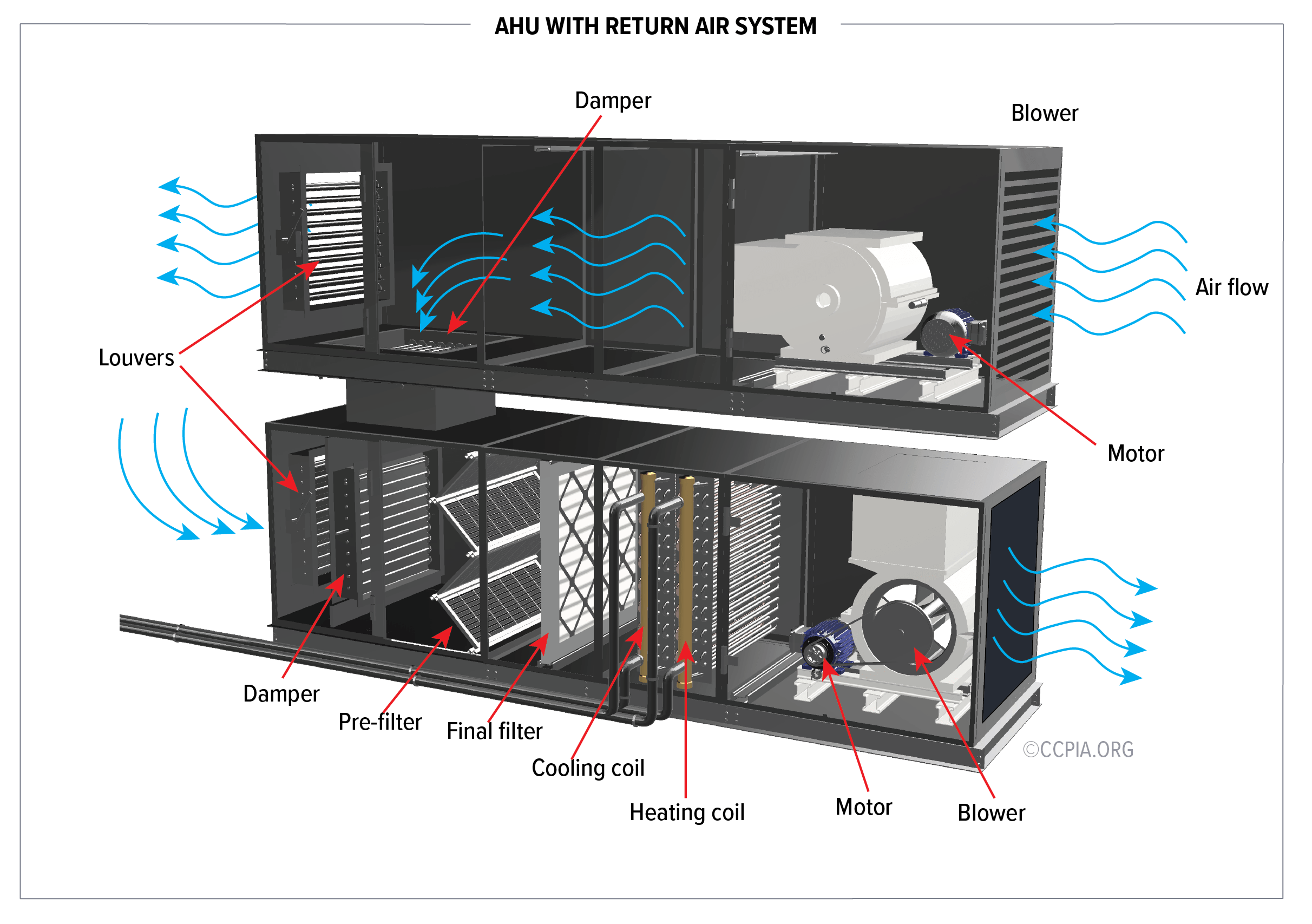
When it comes to maintaining your HVAC system, you often face a choice between doing it yourself (DIY) or hiring professionals. Each option has its own set of costs, benefits, and risks that you should consider before making a decision. Analyzing these aspects will help you make an informed choice that best fits your budget and comfort level.
The costs associated with HVAC maintenance can vary widely depending on whether you choose to handle it yourself or engage a professional service. DIY maintenance typically involves purchasing tools and parts, which can lead to upfront costs, while professional services come with service fees that can accumulate over time. However, when weighing the two options, it is vital to consider not only the monetary aspects but also the potential risks involved in handling maintenance tasks without proper expertise.
Cost Analysis of DIY vs. Professional Maintenance
Examining the financial side of both DIY and professional HVAC maintenance reveals significant differences. Below is a breakdown of some of the costs associated with each approach:
- DIY Maintenance Costs:
-Basic tools (screwdrivers, wrenches, vacuum): approximately $50 – $200
-Replacement filters and parts: generally $20 – $100 per year
-Utility savings from better efficiency: around $50 – $150 annually
- Professional Service Costs:
-Average service call fee: typically $75 – $150 per visit
-Annual maintenance contracts: can range from $150 – $500 based on coverage
-Additional repair costs as needed: can escalate to hundreds or thousands depending on the issue
In general, while DIY maintenance may seem cheaper upfront, the costs can add up over time, especially if mistakes are made. For instance, if a homeowner neglects to properly clean or service their HVAC system, they might face significant repair bills later on, potentially exceeding the cost of professional maintenance.
“Studies show that improper DIY maintenance can lead to 30% higher utility bills and a lifespan reduction of HVAC systems by up to 20%.”
The potential benefits of DIY maintenance include saving money on service fees and gaining hands-on knowledge of your system. However, the risks include the possibility of injury or causing more severe damage to the HVAC system. It’s important to weigh these factors against the reliability and expertise that professional services offer. Statistics indicate that homeowners who utilize professional services experience fewer issues over time and enjoy an average lifespan of their HVAC system that is 5-10 years longer than those who attempt DIY maintenance without adequate knowledge.
Case studies have shown that a homeowner who regularly hired professionals saved about $1,200 in repairs over five years compared to a peer who performed DIY maintenance and faced multiple breakdowns due to oversight. Ultimately, the decision between DIY and professional HVAC maintenance depends on individual circumstances, expertise, and willingness to invest in the long-term health of the system.
By understanding the costs and implications of both approaches, homeowners can make informed decisions that align with their needs and budget.
Seasonal Considerations for HVAC Maintenance Costs
Understanding the seasonal aspects of HVAC maintenance can significantly impact both comfort and budget. Different seasons pose unique challenges and demands on heating, ventilation, and air conditioning systems. Recognizing these variations helps homeowners plan maintenance tasks effectively and allocate expenses accordingly.The HVAC system requires different types of care depending on the season. During the colder months, heating systems need more attention, while spring and summer focus on cooling efficiency.
In fall, it’s important to prepare for the winter. Each season presents an opportunity to prioritize specific maintenance tasks, ensuring optimal performance and preventing costly repairs.
Seasonal Maintenance Tasks and Costs
To manage HVAC maintenance effectively throughout the year, a seasonal checklist can be incredibly helpful. This will Artikel specific tasks for each season along with their anticipated costs, making budgeting straightforward. Winter Tasks:During winter, heating systems are under the most strain. Key tasks include:
Checking and replacing air filters
$15 – $50
Inspecting and cleaning the furnace
$100 – $300
Testing thermostat accuracy
$50 – $100 Spring Tasks:As temperatures rise, it’s time to prep the cooling system. Essential tasks include:
Changing air filters
$15 – $50
Cleaning the outdoor condenser unit
$75 – $150
Scheduling a professional AC tune-up
$100 – $200 Summer Tasks:Peak cooling season demands additional attention to efficiency. Important tasks consist of:
Inspecting ductwork for leaks
$200 – $500
Cleaning evaporator and condenser coils
$100 – $300
Checking refrigerant levels
$75 – $150 Fall Tasks:In preparation for winter, focus shifts back to heating systems. Key tasks are:
Flushing the boiler system
$100 – $300
Cleaning gutters and ensuring proper drainage
$50 – $150
Scheduling a pre-winter system check
$100 – $200The following table summarizes seasonal maintenance tasks and estimated costs for better budgeting:
| Season | Task | Estimated Cost |
|---|---|---|
| Winter | Check and replace air filters | $15 – $50 |
| Winter | Inspect and clean the furnace | $100 – $300 |
| Spring | Change air filters | $15 – $50 |
| Spring | Clean outdoor condenser unit | $75 – $150 |
| Summer | Inspect ductwork for leaks | $200 – $500 |
| Summer | Clean evaporator and condenser coils | $100 – $300 |
| Fall | Flush the boiler system | $100 – $300 |
| Fall | Schedule a pre-winter system check | $100 – $200 |
By following these seasonal maintenance tasks, homeowners can enhance the longevity and efficiency of their HVAC systems, leading to improved comfort and reduced costs over time.
Evaluating the Long-Term Financial Benefits of HVAC Maintenance
Investing in regular HVAC maintenance is more than just a precautionary measure; it’s a strategic financial decision that can yield significant long-term savings. By prioritizing routine check-ups and necessary repairs, homeowners and businesses alike can enjoy a host of benefits that extend beyond immediate comfort and functionality.Regular HVAC maintenance plays a crucial role in optimizing system efficiency, which can lead to lower energy bills over time.
A well-maintained system operates more effectively, using less energy to heat or cool a space. For instance, the U.S. Department of Energy estimates that proper maintenance can improve HVAC efficiency by up to 15%. This improvement translates to substantial savings on monthly utility bills, making the initial investment in maintenance worthwhile.
Cost Savings Breakdown
To illustrate the financial advantages of regular HVAC maintenance, consider the following breakdown of potential cost savings over time based on real-world scenarios:
1. Energy Efficiency Gains
Regular maintenance ensures that systems are clean and functioning optimally. For example, a commercial building that invests $500 annually in HVAC maintenance can expect to save approximately $1,000 on energy costs each year due to improved efficiency.
2. Extended Equipment Lifespan
Proper care can extend the lifespan of HVAC systems. A unit that typically lasts 15 years may exceed 20 years with consistent maintenance. This delay in replacement can save homeowners thousands of dollars; for instance, replacing a $5,000 HVAC system 5 years later means an annual saving of $1,000 in capital expenditure.
3. Reduced Repair Costs
The cost of a major repair or system failure can be significant. On average, a single major HVAC repair can range from $300 to $1,500. In contrast, regular maintenance often costs between $150 to $300 per year. By preventing major malfunctions through routine care, homeowners can avoid these expensive repair bills.
4. Increased Property Value
An efficiently running HVAC system enhances the overall value of a property. Potential buyers are more likely to invest in homes with well-maintained systems, which can translate into up to 5% increase in property value. For a home valued at $300,000, this equates to an additional $15,000 just from maintaining the HVAC system.
5. Warranty Preservation
Many manufacturers require regular maintenance to keep warranties valid. Failing to comply can result in expensive out-of-pocket repair costs that would otherwise be covered. This compliance can save homeowners hundreds of dollars in unexpected repair costs.
Investing in regular HVAC maintenance is not merely an expense; it’s a strategic move that pays off in multiple ways.
By understanding the financial implications and potential gains from ongoing HVAC maintenance, homeowners and businesses can make informed decisions that lead to long-term savings and improved system reliability. Regular maintenance isn’t just about keeping cool in the summer or warm in the winter; it’s a financially savvy choice that pays dividends in the long run.
The Role of Energy Efficiency in HVAC Maintenance Cost
Energy efficiency plays a crucial role in the overall maintenance costs of HVAC systems. By investing in energy-efficient systems, homeowners and businesses can significantly reduce both their utility bills and their maintenance expenses. This dual benefit not only enhances sustainability but also ensures a more reliable and effective operation of HVAC systems over time.Energy-efficient HVAC systems are designed to operate at optimal levels while consuming less energy.
This efficiency translates to lower wear and tear on the system, which in turn reduces the frequency and severity of maintenance issues. When systems operate more efficiently, they often require less maintenance because components such as motors, fans, and coils are not pushed to their limits. Therefore, regular maintenance practices can be simpler and more straightforward, potentially leading to reduced service costs.
Benefits of Energy Efficiency in Maintenance
Implementing energy-efficient practices can lead to several significant benefits regarding HVAC maintenance costs. Here are some key aspects to consider:
- Lower Energy Consumption: Energy-efficient systems use less electricity, which can result in lower monthly utility bills. For instance, a system that meets Energy Star ratings can save homeowners approximately 20-30% on energy costs.
- Extended Equipment Lifespan: When HVAC systems operate efficiently, their components experience less stress, leading to a longer lifespan. For example, properly maintained energy-efficient units can last 15-20 years, compared to 10-15 years for less efficient systems.
- Reduced Repair Frequency: Energy-efficient systems often have fewer breakdowns since they operate within optimal parameters. This results in fewer costly repairs; a well-maintained energy-efficient system can reduce repair costs by up to 50% over its lifetime.
- Improved Indoor Air Quality: Regular maintenance of energy-efficient systems helps maintain better air quality by ensuring filters and ducts are clean. This can prevent health issues, reducing medical expenses related to poor air quality.
- Incentives and Rebates: Many regions offer financial incentives for upgrading to energy-efficient HVAC systems, which can offset the initial investment and provide long-term savings.
The relationship between maintenance practices and energy efficiency is evident in the long-term savings gained from adopting energy-efficient HVAC solutions. By focusing on energy efficiency, users not only contribute to environmental sustainability but also enjoy reduced operational costs that enhance the overall value of their HVAC investments.
“Investing in energy-efficient HVAC systems can lead to a 30% reduction in maintenance costs over the system’s lifespan.”
Common Maintenance Tasks and Their Associated Costs
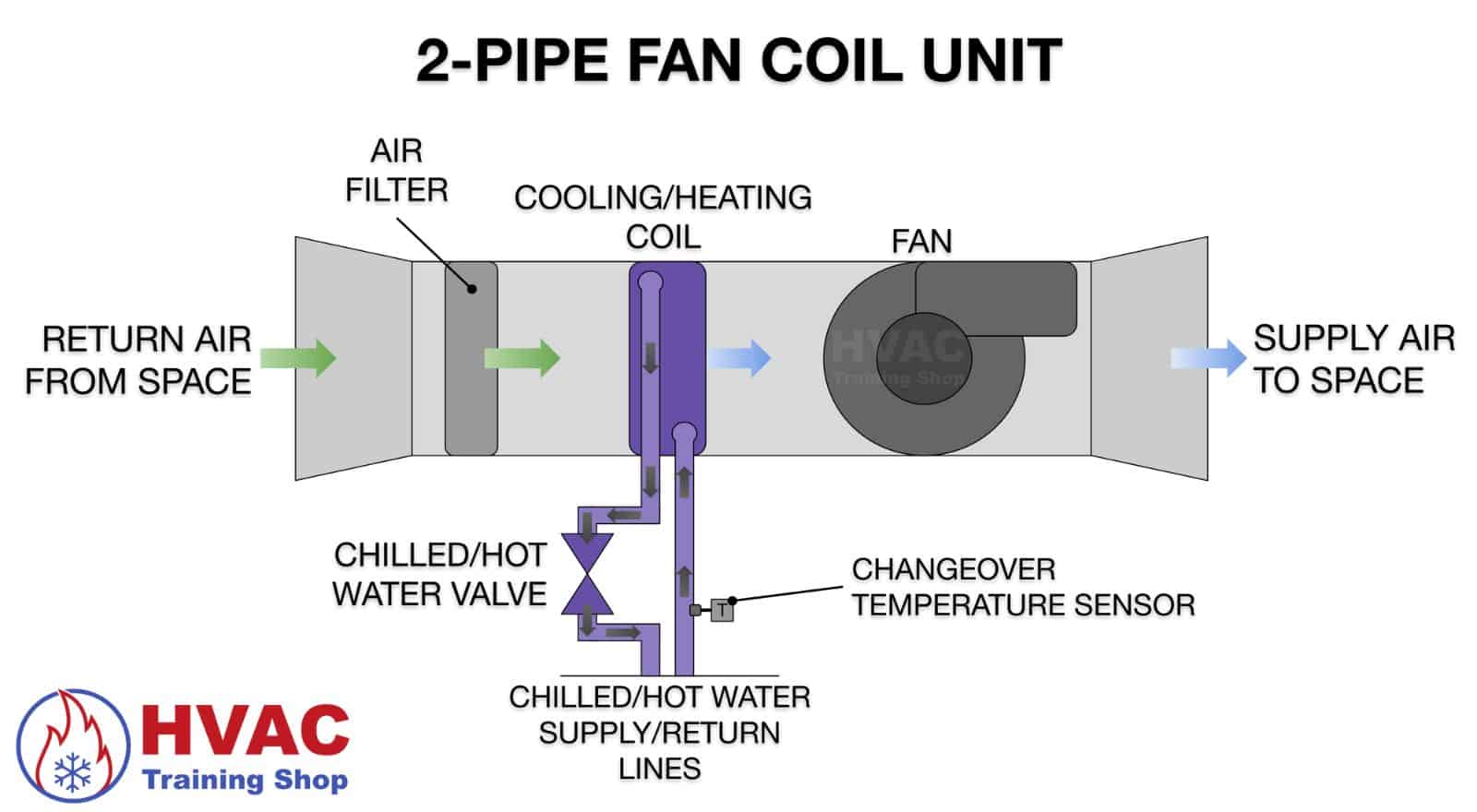
Regular maintenance of HVAC systems is crucial for ensuring efficiency, longevity, and optimal performance. Understanding the typical costs associated with common maintenance tasks can help homeowners make informed decisions and budget accordingly. This guide offers a breakdown of these essential tasks and their approximate expenses to empower homeowners in managing their HVAC systems effectively.
Overview of Common Maintenance Tasks
Homeowners should be aware of several routine HVAC maintenance tasks that not only extend the life of their systems but also enhance energy efficiency. Below are some of the most common tasks along with their average costs.
| Maintenance Task | Typical Cost |
|---|---|
| Air filter replacement | $15 – $30 |
| Annual HVAC system inspection | $75 – $150 |
| Coil cleaning | $100 – $400 |
| Refrigerant level check | $100 – $250 |
| Thermostat calibration | $50 – $100 |
| Ductwork cleaning | $300 – $500 |
Allocating a budget for these tasks is essential to avoid unexpected expenses. Regular inspections can catch problems early, potentially saving money on more extensive repairs later.
Budgeting for HVAC Maintenance Tasks
Effective budgeting for HVAC maintenance can help homeowners manage their finances better. Here are some practical tips to consider:
Create a Maintenance Schedule
Plan regular inspections and maintenance tasks on a seasonal basis. This proactive approach allows you to spread costs throughout the year rather than facing a lump sum at once.
Set Aside a Maintenance Fund
Allocating a specific monthly amount to a dedicated maintenance fund can help cover unexpected repairs or replacements, ensuring you’re prepared when issues arise.
Research and Compare Service Providers
Taking the time to research local HVAC service providers can yield better pricing and service. Ask for quotes and check for any available discounts or seasonal promotions.
Utilize Energy Savings for Maintenance
Consider using savings from energy-efficient upgrades as a way to fund regular maintenance tasks. For example, if you upgrade to a more efficient air conditioning unit that reduces your energy bills, set aside a portion of those savings.
Regular maintenance not only ensures system efficiency but can also prevent costly repairs down the line.
The Impact of Local Climate on HVAC Maintenance Expenses
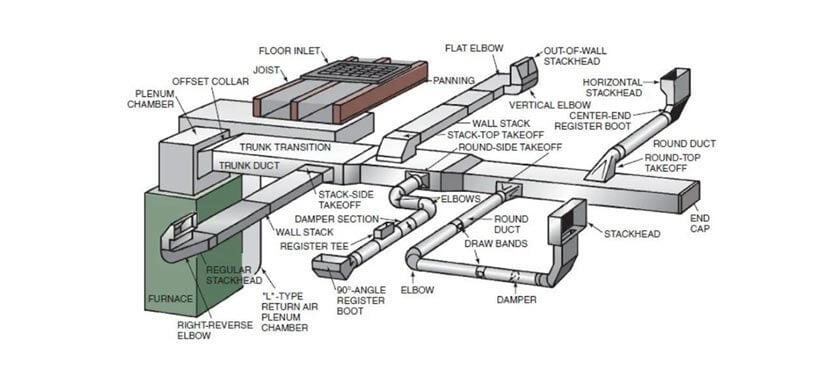
The local climate plays a significant role in determining how HVAC systems operate and how much maintenance they require. Different weather patterns can influence the wear and tear on these systems, leading to varying maintenance costs across regions. Understanding these impacts is crucial for homeowners and businesses aiming to optimize their HVAC expenditures.Climate affects HVAC systems in several ways, primarily through temperature extremes, humidity levels, and seasonal fluctuations.
In warmer regions, systems often work harder to cool spaces, leading to more frequent breakdowns and a higher need for maintenance. Conversely, in colder climates, HVAC systems may struggle to heat effectively, resulting in different wear patterns that also necessitate regular upkeep.
Unique Maintenance Challenges in Different Climates
Each climate type presents unique challenges that can directly influence maintenance costs. Here are some notable examples:
- Hot and Humid Climates: High humidity can lead to increased moisture build-up in HVAC systems, fostering mold growth and corrosion. Regular maintenance inspections are essential to prevent these issues, which can be costly.
- Cold Climates: In colder regions, HVAC systems must work harder to maintain comfortable indoor temperatures. This can lead to increased wear on components such as furnaces and heat pumps, requiring more frequent servicing and potential replacement of parts.
- Desert Climates: Extreme heat and dry conditions can lead to dust accumulation and overheating in HVAC systems. Regular filter changes and cleaning help mitigate these effects but can add to maintenance expenses.
- Coastal Climates: Salt air and humidity can accelerate corrosion in HVAC systems. Implementing specialized coatings and conducting regular inspections can help, but these additional measures can increase overall maintenance costs.
Climate-specific strategies can effectively optimize maintenance spending. For example, in humid areas, investing in a dehumidifier can reduce the load on the HVAC system, leading to lower energy costs and extended equipment life. In contrast, installing insulation in cold climates can help maintain indoor temperatures, thereby reducing the strain on heating systems.
Understanding the specific climate challenges your HVAC system faces can significantly influence your maintenance strategy, leading to better long-term savings.
By tailoring maintenance approaches to local climate conditions, homeowners and businesses can not only enhance the performance and longevity of their HVAC systems but also manage and potentially reduce their overall maintenance expenses.
